
'Cotton is like a hurricane swept through and then gone...'
Review
Cotton, a multimedia song cycle by Damien Geter, inspired by photographs from John E. Dowell, and performed by two operatic stars was just as much about dramatic photography and powerful poetry as it was about beautiful lyrical singing. It was performed at the Conrad at the La Jolla Music Society on January 16, 2026 in a co-production with San Diego Opera.
Cotton was commissioned by Philadelphia’s Lyric Fest and premiered in 2023. It features eight original poems set to song. The poems speak to the outsized role that cotton has played in the African American historic experience. The stars of the show were J’Nai Bridges, a two-time Grammy award winning mezzo-soprano and baritone Justin Austin, who in 2024 was named rising star of the year by the International Opera Awards. Composer Damien Geter, who is also a bass-baritone, is the composer of numerous chamber, vocal, and orchestral works, including five operas.
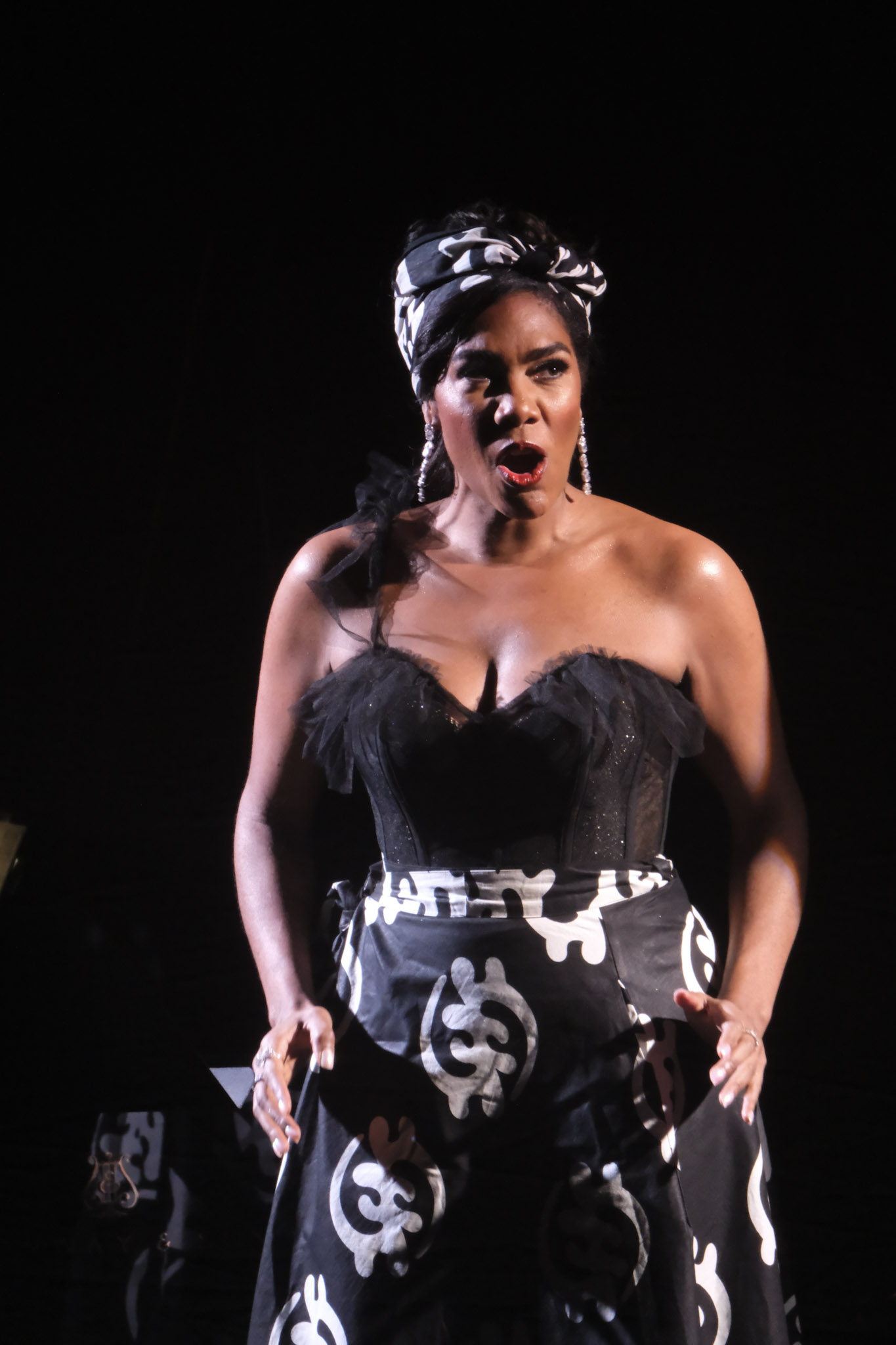
Eight current poets, Marc Bamuthi Joseph, Alora Young, Lauren K. Alleyne, Trapeta B. Mayson, Nikki Giovanni, Glenis Redmond, Afaa Michael Weaver, and Charlotte Blake Alston, contributed their texts to accompany Dowell’s photography. Sadly, Nikki Giovanni passed away in 2025. These poems become the lyrics to the songs in the cycle. Each was first read on video by its author and then performed on stage, with only a spotlight on the artist. Pianist Laura Ward played behind, in the dark, additionally screened off by a mesh curtain.
Justin Austin opened with “The Cotton Weeps”, by Marc Bamuthi Joseph. Austin’s baritone was lyrical and controlled but always generous with both sustained lows that lingered hauntingly and crisp highs that brought brightness. His restraint made the poignant messages of the songs all the more penetrating.
“In some version of the American truth cotton weeps power from the pores of a powder blue sky,” sang Austin in Joseph’s song. “Cotton is like a hurricane swept through and then gone…Cotton is a strange fruit indeed/The South remembers when we were free.” One of the evening’s highlights was J’Nai Bridges performance of the late Nikki Giovanni’s “Cotton in the Arms of the Mountains”.
“We think it’s ice but really it’s cotton on top the mountains built on the bones of those who came before.” Bridges bright voice shone through expressive ranges that seemed perfect in all the registers. Bridges is a singer who can create drama with her voice and Cotton was the perfect vessel for that.
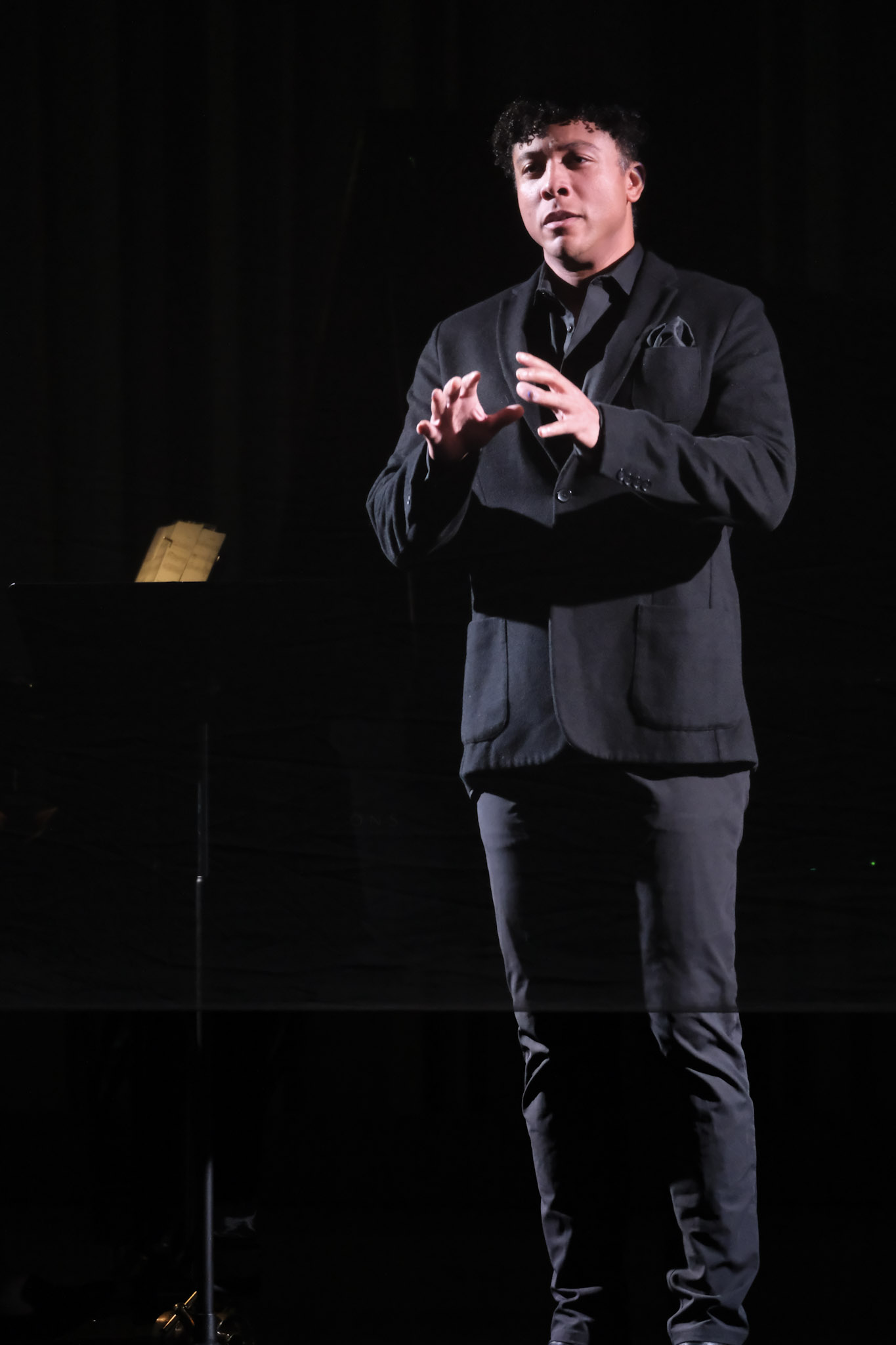
“In the Night Before the Run,” by Alora Young, she sang with beautiful pacing, “How do you find your way out of a field of cotton…at least in death I will never be a slave.” The song cycle was about memories of pain but also survival, resilience and hope. With both Austin and Bridges, key words interspersed in their texts - torture, lynched, dead body, noose - prolonged the tension coming from the stage and riveted the audience.
The meaning of cotton – its beauty, history, and the cruel suffering it has caused was evoked and re-evoked not only by the poetry and the photographs but by the lyrical beauty of the two singers’ voices and their heartfelt interpretations of the songs. I could hear that I was not the only audience member holding my breath as the music rose to dramatic highs with often no resolution.
Simple staging and minimalist lighting were an intrinsic part of the presentation, adding to the gravity. Bridges was dressed in a black and white gown and both performers sang with barely any gestures.
A recorded video of John Dowell opened the show as he told the audience of his dreams about his grandmother, Big Mommy, and how her stories inspired him to shoot a series of photographs about cotton.
Two mirror image video screens on either side displayed the photos, which were both artistic and haunting. The photography ranged from shots of South Carolina cotton fields, dreamy close ups of cotton flakes, cotton surrealistically dotting graveyards and urban landscapes, and artistically superimposed composites. The contrast between the bright whiteness of the cotton in the photos and the dark stage was yet another striking aspect of the production.
Comments