
Franz Welser-Möst And The Cleveland Orchestra bring the Verdi Requiem, Mozart, and Shostakovich to Carnegie Hall
Review
Franz Welser-Möst will have led the Cleveland Orchestra for a quarter of a century when he steps down at the end of the 26-27 season. His tenure will exceed that of George Szell, whose 1973 recording of Wagner’s orchestra music first brought this fine ensemble to my attention.
Fast forward then to late last month and the Cleveland’s monumental two-performance visit to Carnegie Hall. The Verdi Requeim, with Welser-Möst holding its dramatic religiosity and operatic attitude firmly in place, opened on night one, followed by his seemingly curious pairing of Mozart’s Symphony No. 40 (Jupiter) and the Shostakovich 11th (The Year, 1905) on the next.
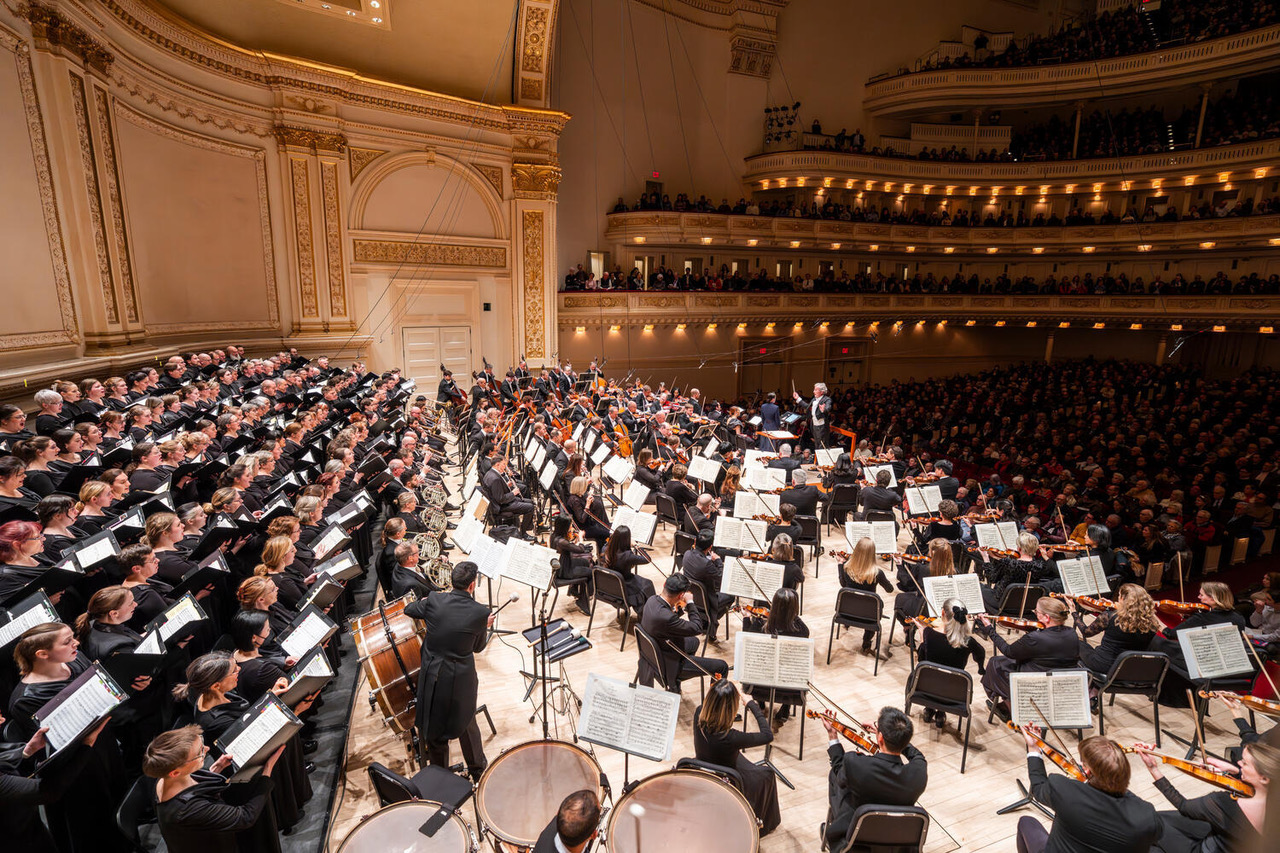
The stage was filled to capacity (as was the hall) for the Requiem with the orchestra joined by its acclaimed all-volunteer chorus and four stellar soloists; soprano Asmik Grigorian, mezzo-soprano Deniz Uzun, tenor Joshua Guerrero, and bass Tareq Nazmi. Even as the orchestra assembled and warmed up, the bone-chilling percussion in the Dies irae caused a stir in the audience. Its initial appearance and repeats throughout the Requiem were galvanizing unto themselves but thoroughly integrated.
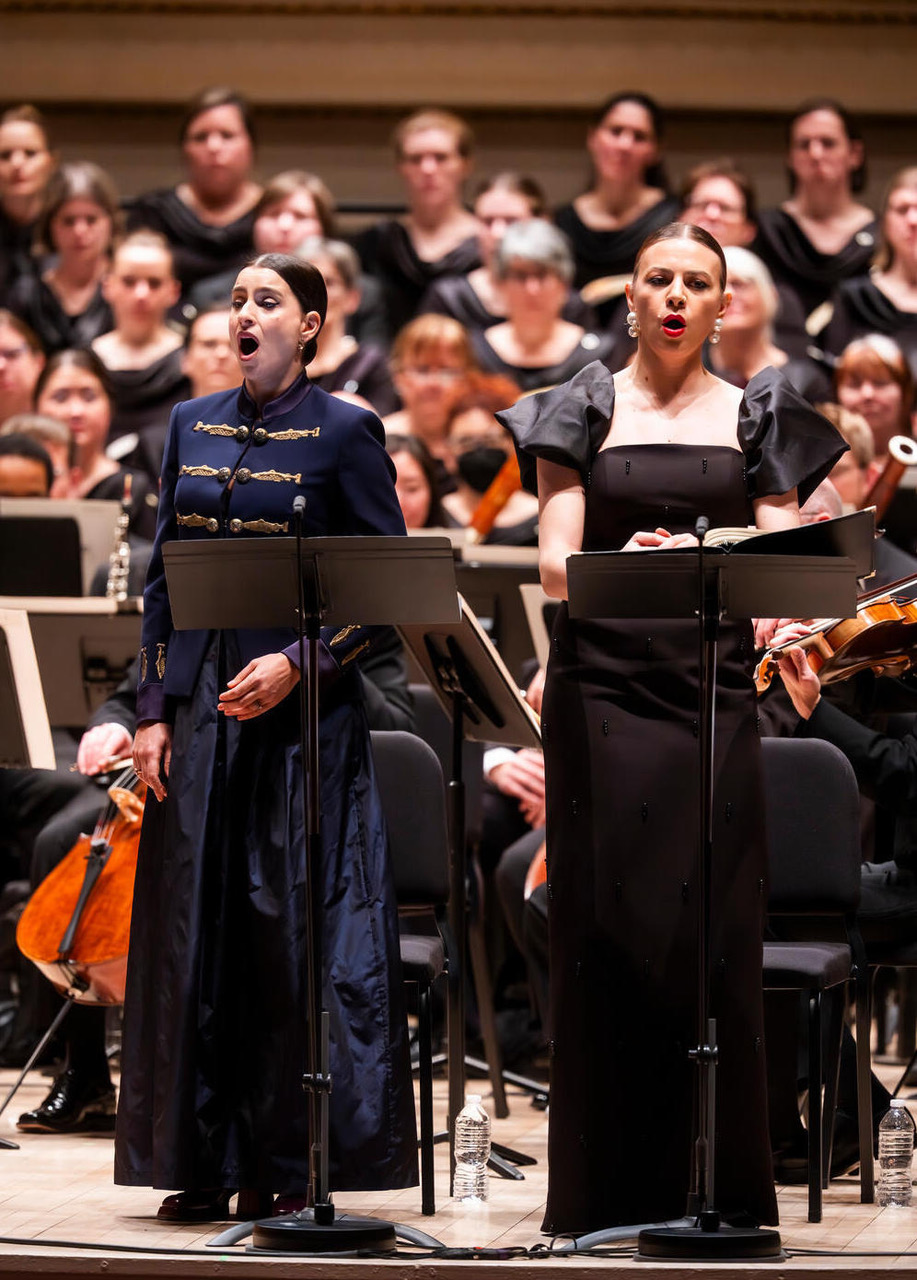
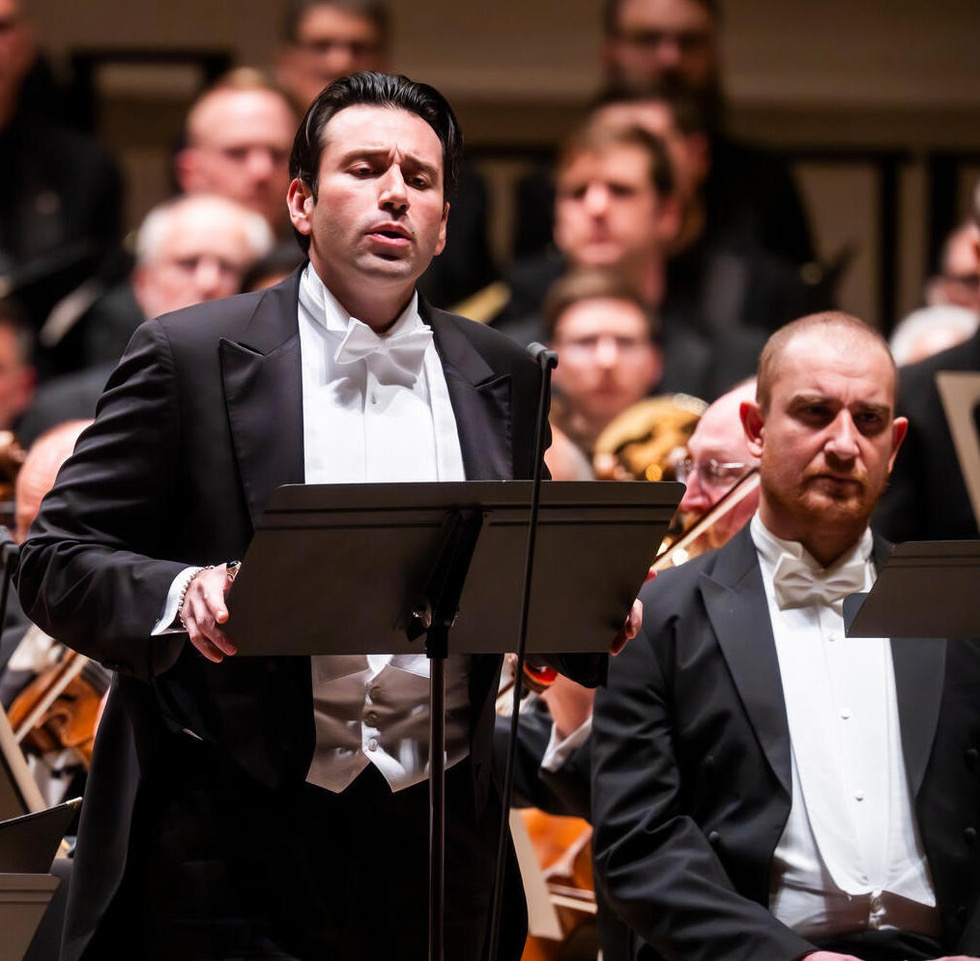
The singers’ ability to soar over orchestra and chorus and then combine as a unified force was emotionally gripping and astonishing in its power. In the concluding moments Uzun, Guerrero and Nazmi brought elegant solemnity to Lux aeterna, while Grigorian’s exacting interaction with the orchestra and chorus in the Libera me displayed adroit flexibility as well as searing dramatic commitment.
As for Welser-Möst, this maestro didn’t so much emote on the podium as lesser conductors are prone to do. He was there to prompt the orchestra, to remind them of his introspection and research, of his personal response to the Requiem and the fulfillment of Verdi’s intent. In his substantial and illuminating memoir, From Silence: Finding Calm in a Dissonant World, we grasp his methodology as he discusses Beethoven’s Symphony No. 9 and the Strauss opera, Der Rosenkavalier.
We see that much of what a conductor does lies beneath the surface. It’s a process that offers insight, if not direct answers, as to why he presented Mozart and Shostakovich on the same bill. But do we even need direct answers or can we simply trust the intuitive knowledge gathered by Welser-Möst before he picks up the baton?
Certainly he didn’t know that earlier that day we would hear the U.S. President threaten the world order by disparaging NATO allies in his speech at the World Economic Forum. But he knew about Mozart’s inspired invention while under financial duress. And he knew about the power and political resonance of Shostakovich’s symphony having been termed an opera without words for its unrelenting drama.
Broadly, it’s a spectacular orchestral contrast with a Mozartian sized ensemble expanding to fill the stage for the Shostakovich. Mozart’s military flourishes and the third movement, akin to the Ländler, an Austrian folk dance, were played, respectively, with full bodied precision and jubilant delicacy.
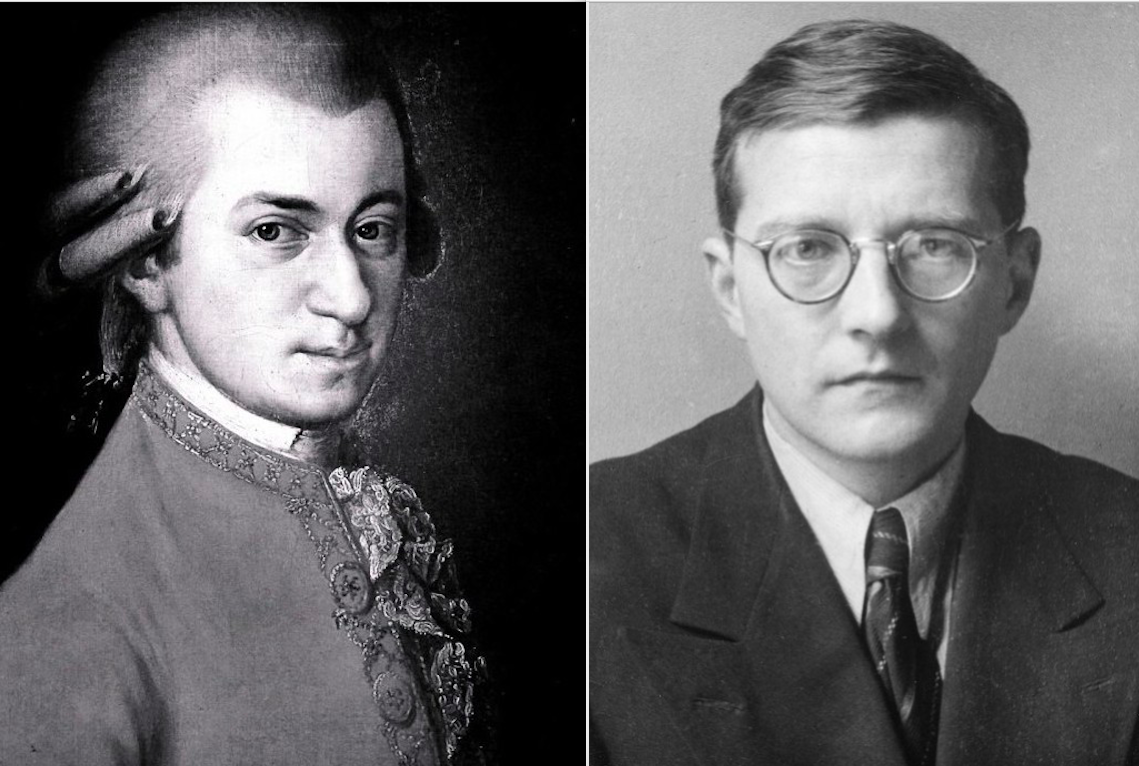
The jagged edges and abrupt transistions of the Shostakovich, confirm the rock-solid reputation of the Cleveland Orchestra as a finely tuned and intensely human barometer of our civility. The irony of our social and political uncertainty is how perfectly it dovetails with Welser-Möst’s vision.
From Silence is a generously illustrated 184 pp hardback (ISBN: 978-1908337-603) available at ClevelandOrchestraStore.com. It’s been a best-seller in Austria and the English translation is a welcome addition to one’s musical and philosophical library.
Comments