
Big emotions, big voices, great opera: Rigoletto at the COC
Review
Last week at the Four Seasons Centre saw me checking out the Canadian Opera Company’s remount (are we sensing a theme here?) of Verdi’s Rigoletto. A monster of the genre and a visually sumptuous production, the buzz around this production was, of course, Quinn Kelsey in the title role.
Conducted by Johannes Debus, the COC Orchestra brought out a lush performance of the score. There were fewer balance issues with the voices on stage than there have been in other productions, and the pace and tempi kept the show driving forward. The communication between the pit and the stage was great.
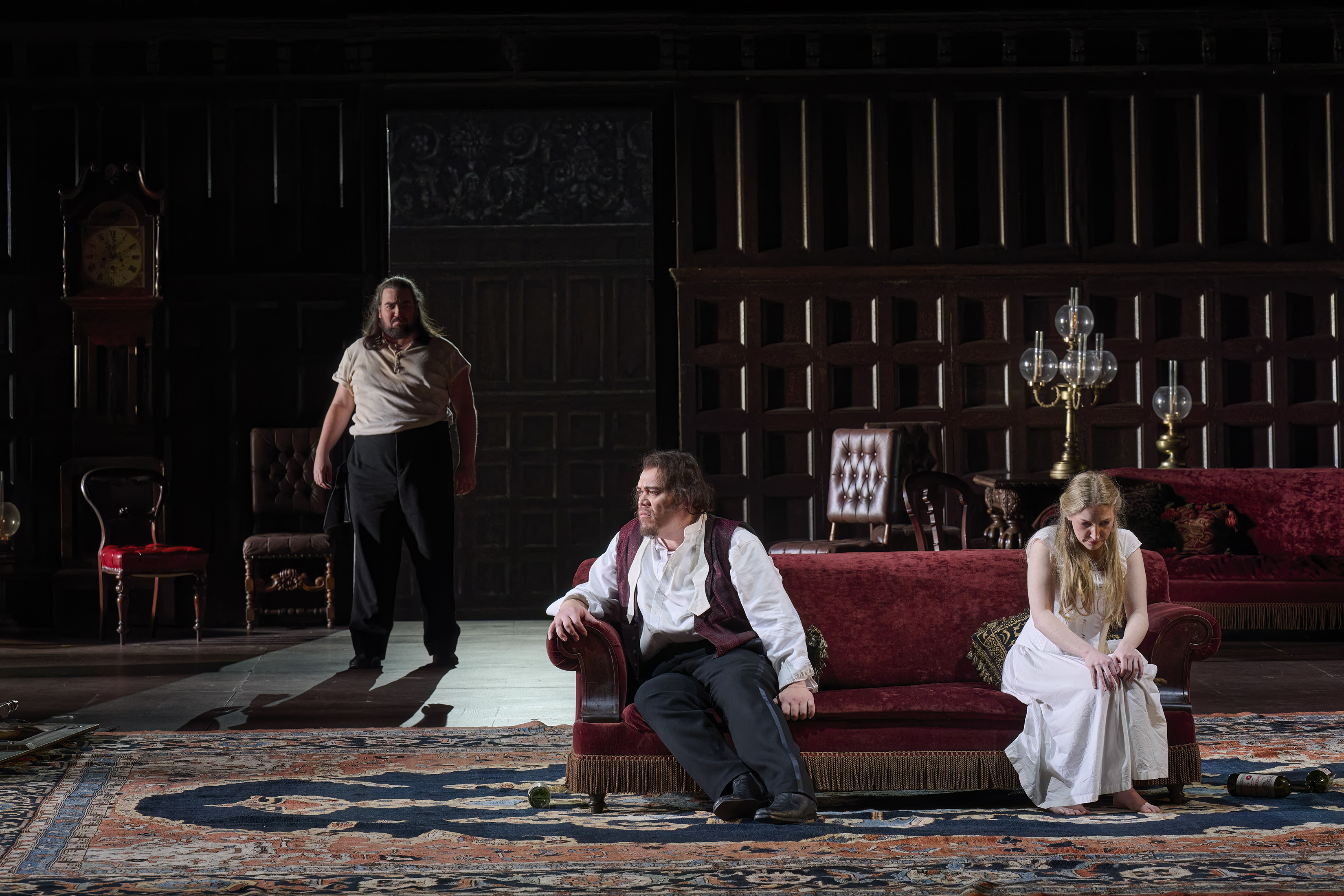
Set in the gaming and smoking room of the Duke of Mantua, the story unfolds that the nobility tire of Rigoletto’s taunts and find his reliance on the Duke’s protection problematic. A revenge plot ensues where through gossip, the courtiers learn of a girl at Rigoletto’s place and assume she’s his mistress. They trick Rigoletto into helping them kidnap her, only later to find out that she is actually his daughter. Rigoletto then decides to make use of the assassin Sparafucile’s services. Rigoletto arrives to collect the body of the Duke, to find he’s been double-crossed by Sparafucile and his sister Maddalena. The result of which is suffered by Gilda.
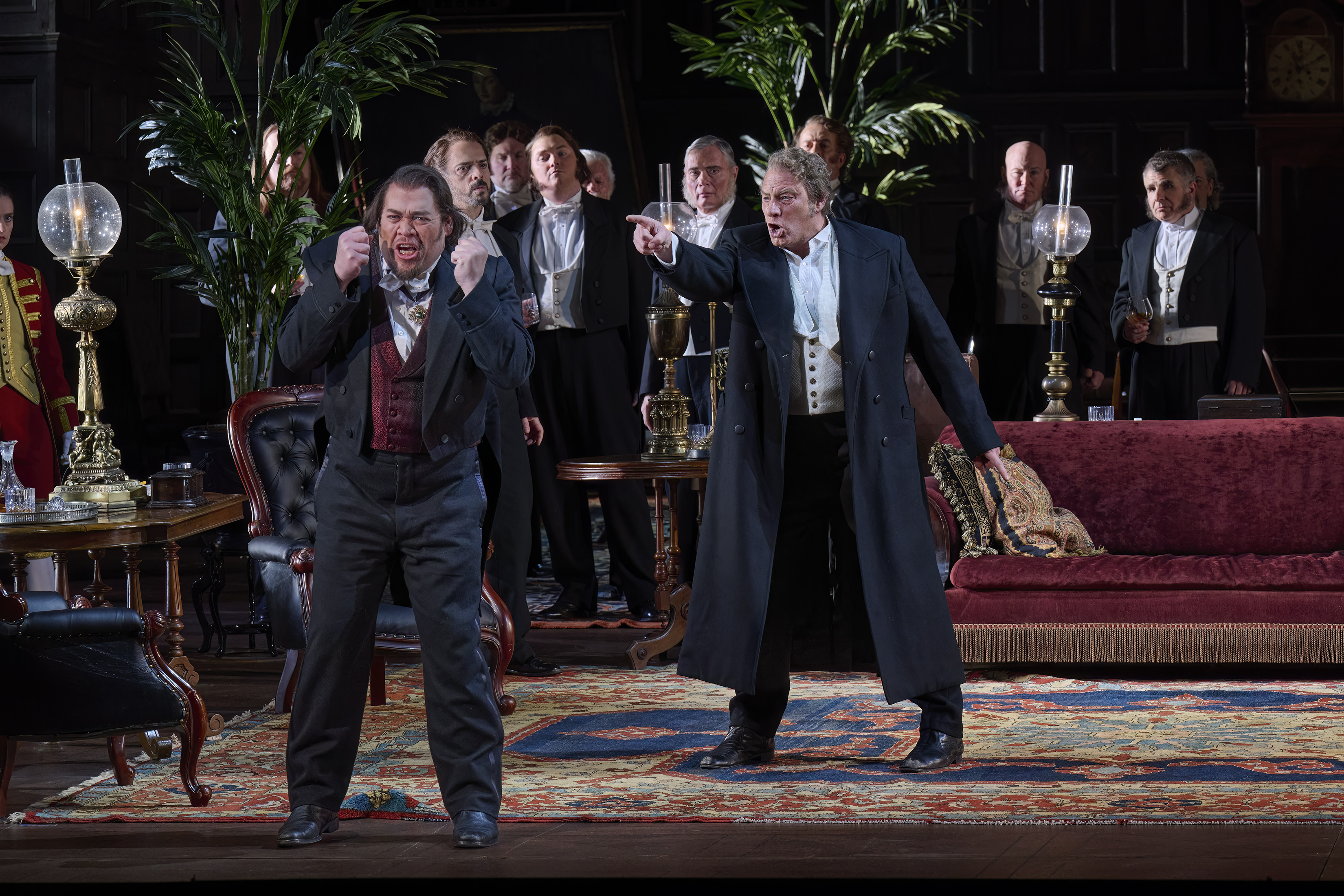
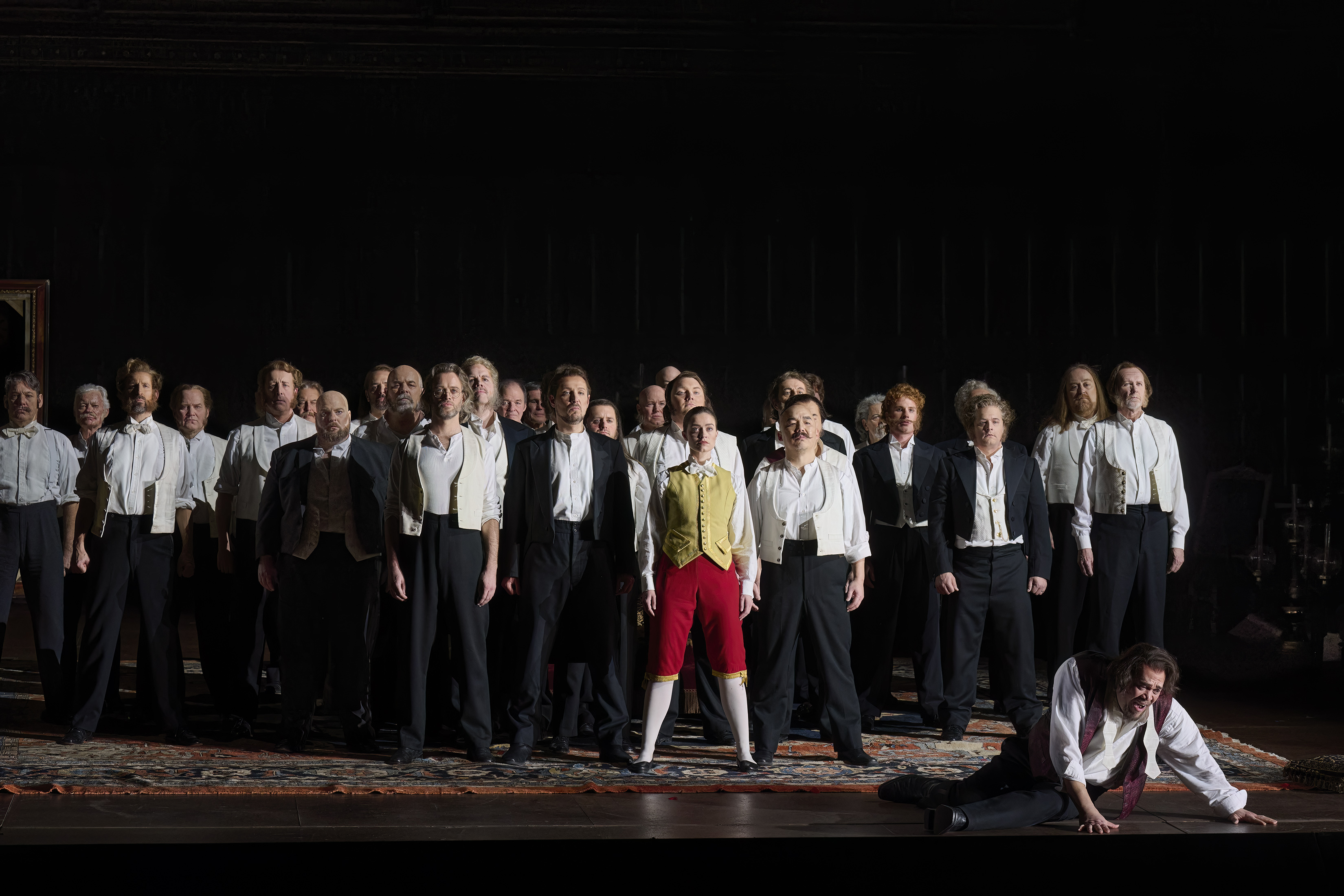
As I’d hoped, Quinn Kelsey’s Rigoletto was outstanding. He seems to really be at the height of his Verdi game, and if he’s not, boy am I excited to see that happen. His voice was powerful, colourful, and technically brilliant. His physicality though? That was stellar. He really manages to stir the max amount of pathos in the audience. For those familiar with court jesters, their job was literally to make their master laugh. There was also a rule that the jester could have carte blanche in what they say about anyone - as it’s understood they’re too base to really know what they’re talking about. So when Kelsey’s Rigoletto states that he’s happy he has the Duke’s protection, you really see that on his face. Which makes the betrayal by the courtiers sting that much more. This we also see in buckets. Kelsey’s journey through Rigoletto’s tragedy was top-tier acting - lyric or no.
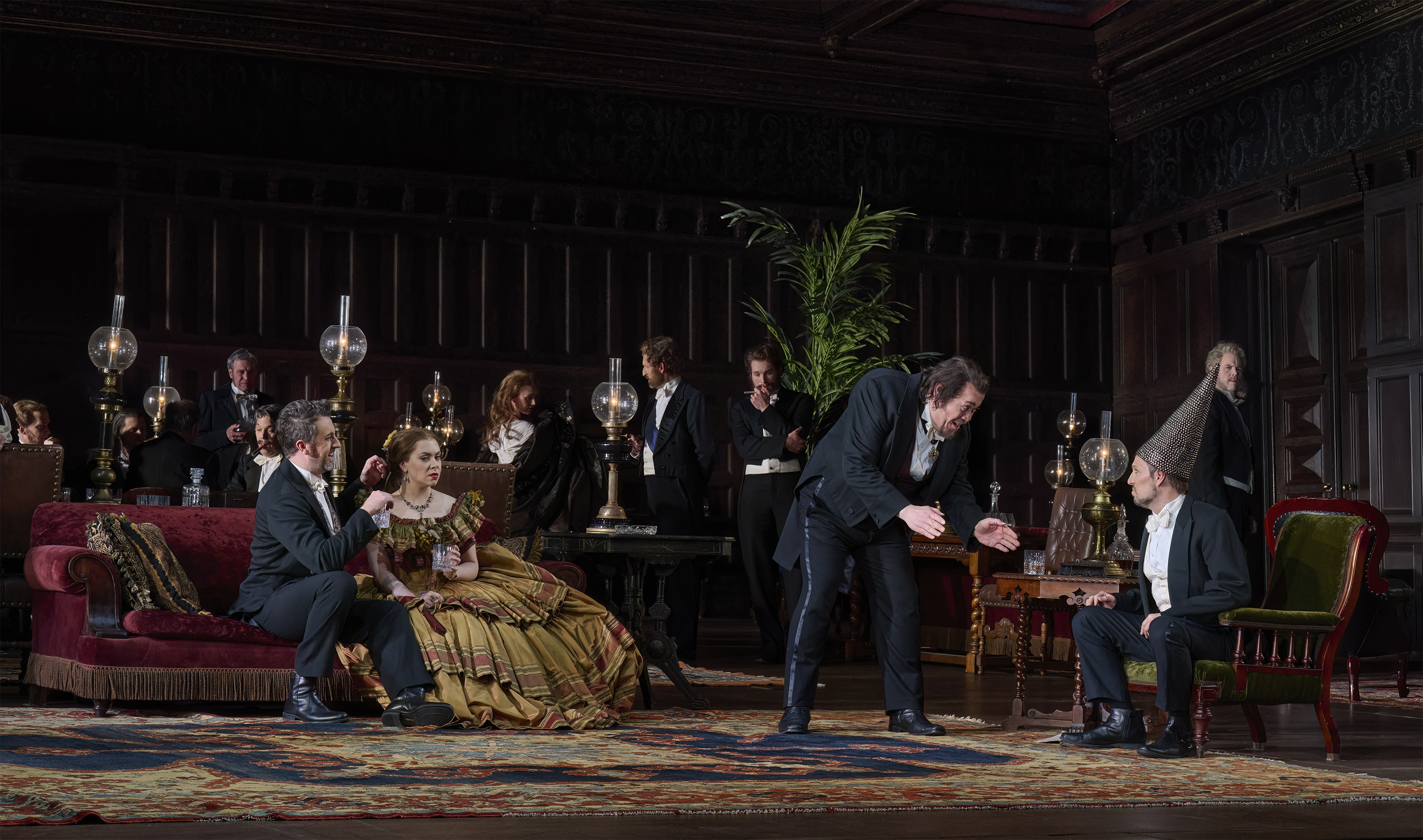
As our Duke of Mantua, tenor Ben Bliss did a fabulous job skirting the line between lovable cur and despicable viper. Despite his rank and his immense wealth, Bliss’s characterization of the Duke highlighted his charisma amongst those in his court. This magnetism is so powerful that when he does commit despicable acts, people either blindly support or turn a blind eye. Tall, handsome, and suave, Bliss possessed the right kind of confidence that flip-flopped into arrogance territory in a way that was captivating. His stellar singing on top of all that just made for an even more engaging performance. His tone was strong, clear, and agile. Everything you want in a Duke. His nuances in both his acting and his singing truly had me convinced he was being honourable finally with Gilda.
Our Gilda was Sarah Dufresne (the role shared with Andriana Chuchman) and she was delightful. The journey of both her as Gilda and vocally was quite phenomenal. Oscillating with ease between delicate and demure to spicy and powerful, her brilliantly bright tone floated with ease through some of Verdi’s most difficult and memorable passages. Her “Caro nome” was a highlight of the night for sure, displaying her skill and sensitivity as both an actor and a musician. We’ll talk about its staging below.
Bass Peixin Chen in his COC Debut as Sparafucile was stunning. Stoic, imperious, and inherently dangerous, his boom basso beautifully bounced around the room. His scenes with Rigoletto were riveting and I almost wanted to pitch in financially to help Rigoletto out. The moment where he refuses the balance of Rigoletto’s payment front and centre proving that, ironically, the assassin is the only man true to his word around here. As his sister Maddalena who lures the Duke to his doom, only to beg his pardon leading to Gilda’s final tragedy, Zoie Reams was alluring and equally as dangerous as her brother.
Monterone, baritone Gregory Dahl, also gave a very moving performance. His agony at his daughter’s fate and his subsequent curse on Rigoletto were as poignant dramatically as they were exquisitely sung. I’ve long been a fan of Dahl’s, and this Monterone is no exception. COC Ensemble Studio alum Simona Genga was tender and mellifluous vocally as Giovanna. In fact, all the supporting cast members were stupendous vocally. The Cepranos were beautifully sung with Stephen Hegedus as the Count and COC Ensemble Studio member Emily Rocha. The double-crossing Marullo (Nathan Keoughan, whom I just saw pull a great turn in Il Barbiere di Siviglia) and Borsa, tenor Julius Ahn, were lecherous and dangerous, and definitely reminded me of some of my childhood bullies (in a good way).
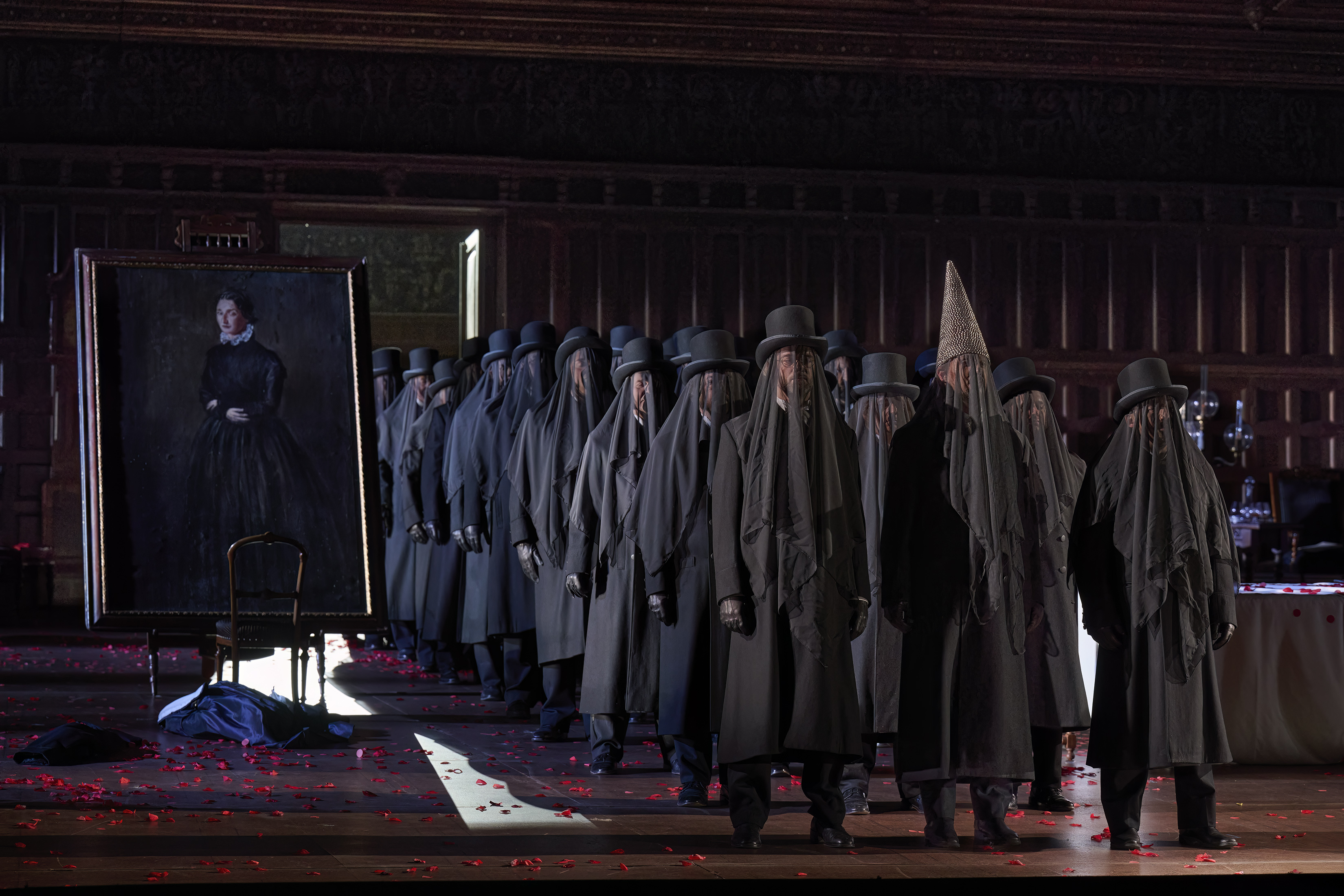
Despite all these incredible performances there’s still something about this production of Rigoletto that doesn’t quite line up for me. It’s beautiful to listen to, the set and costume design by Michael Levine and Michael Kangas’ lighting design (after Duane Schuler) is also stunning; yet somehow I feel like the direction by Christopher Alden may be relying a little too much on shock value than on storytelling. This is my second time seeing this particular production, and I did notice that the violence towards the women, which is inherent in the script and a necessary plot device for this particular narrative, was less gratuitous as the last time I saw it.
That said, I still found a lot of the staging to be somewhat distracting. The stripping of Gilda during “Caro nome” may have had its genesis in an artistic inspiration - perhaps the parallel of baring her soul - but something about seeing her in her undergarments here lessens the blow of the loss of her virtue later. I also found Giovanna’s treatment of Monterone’s daughter, not to mention presence in the Duke’s gaming room at all, a bit confusing, especially when we see her in her scene at home with Gilda. I also feel like she would recognize the Duke, and I don’t feel that she is actually a willing player in Gilda’s demise - something she must be if she knows who this “student” really is. I also feel like setting the show as a whole in one locale breaks down the set-up in the story of Rigoletto trying to keep Gilda and his home life completely separate. I feel it takes away from the inherent twist when the two worlds finally collide.
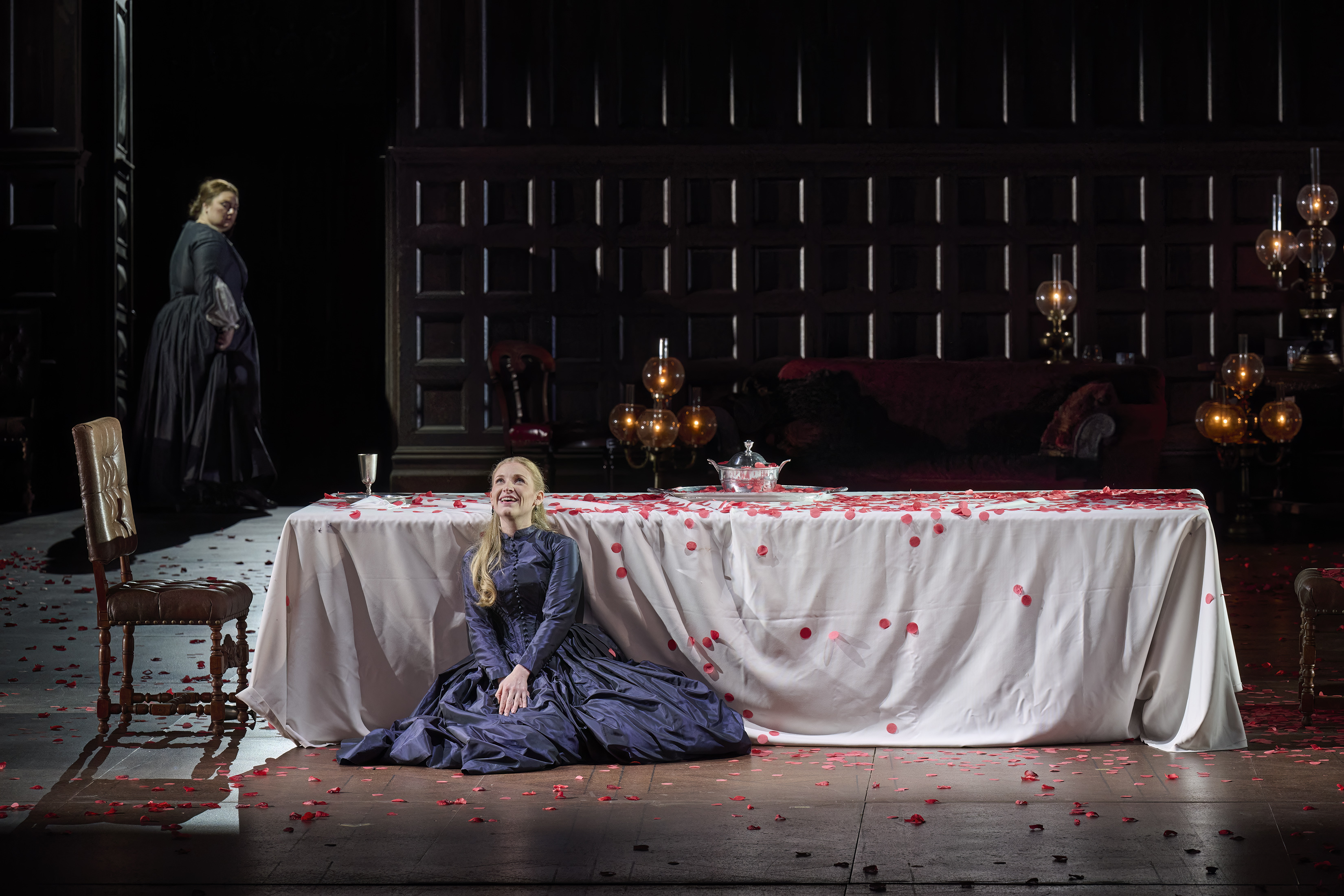
This is still a very fantastic show. It’s sumptuous, well-sung, and the drama moves at an excellent pace. This is due in large part to Verdi’s ability to blur the lines between recitative and melodic structure, but also due to wise decisions made by the singers on stage and the musicians in the pit.
It’s big music, big voices, and big emotions. Our favourite things about opera - and nobody does it like Verdi.
Comments